
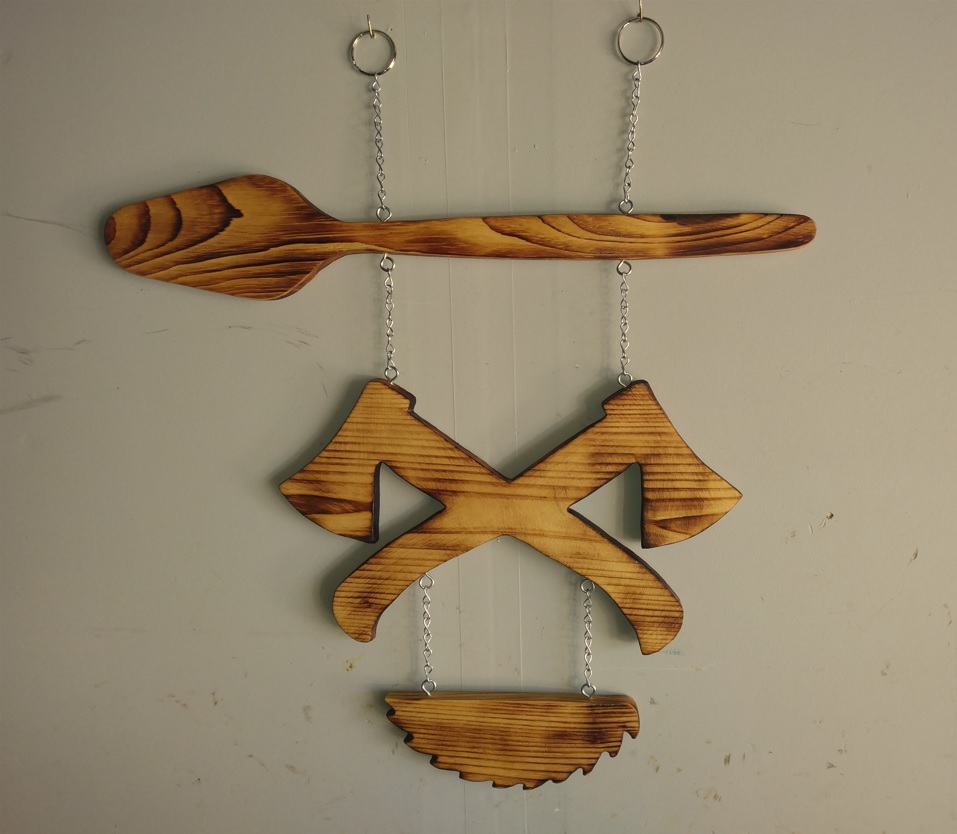
I spent the last couple of days involved in a project and filling an order, which I plan to mail out tomorrow. Today however, my shop sits silently in the aftermath of what might diplomatically be described as my overly expressive technique. It’s the same approach I bring to cooking whenever I’m in the kitchen. It’s loud, frenetic, and messy. It takes no prisoners and suffers no fools… save one.
And yet, there’s a kind of stillness at the center of all this chaos. It’s not something I actively seek to attain; rather, it arises by itself once everything else has surrendered to the noise. For me, whether crafting or cooking, it’s simply a matter of arming myself appropriately and charging headlong into the fray; immediate surroundings and faint-hearted onlookers be damned.
And while my writing typically runs much in a similar vein, today I ‘m wrestling with images trying to get out, and words that seem hellbent on refusing to let them. There are threads here, without a doubt, but weaving them into a cohesive fabric is another matter entirely. Still, despite all my efforts to the contrary, something sat me down and demanded I write.
So here I sit, trying to honor that in my own humble way.
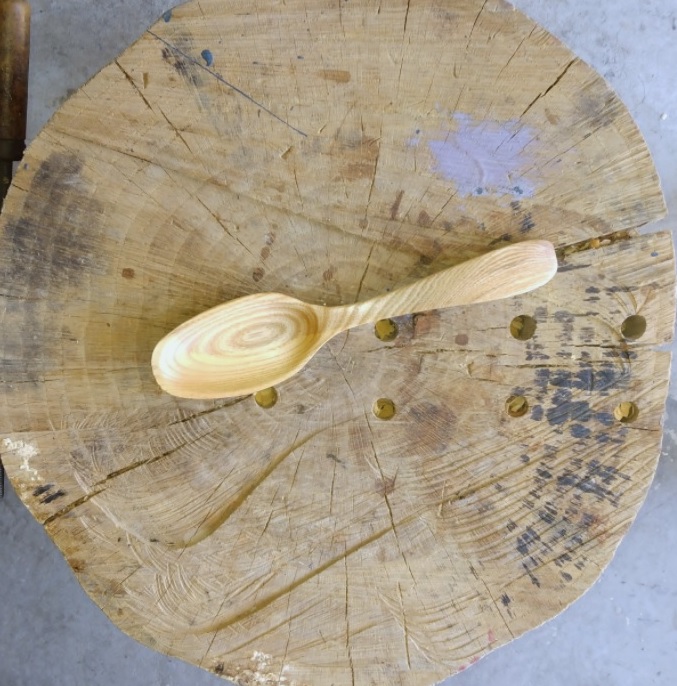
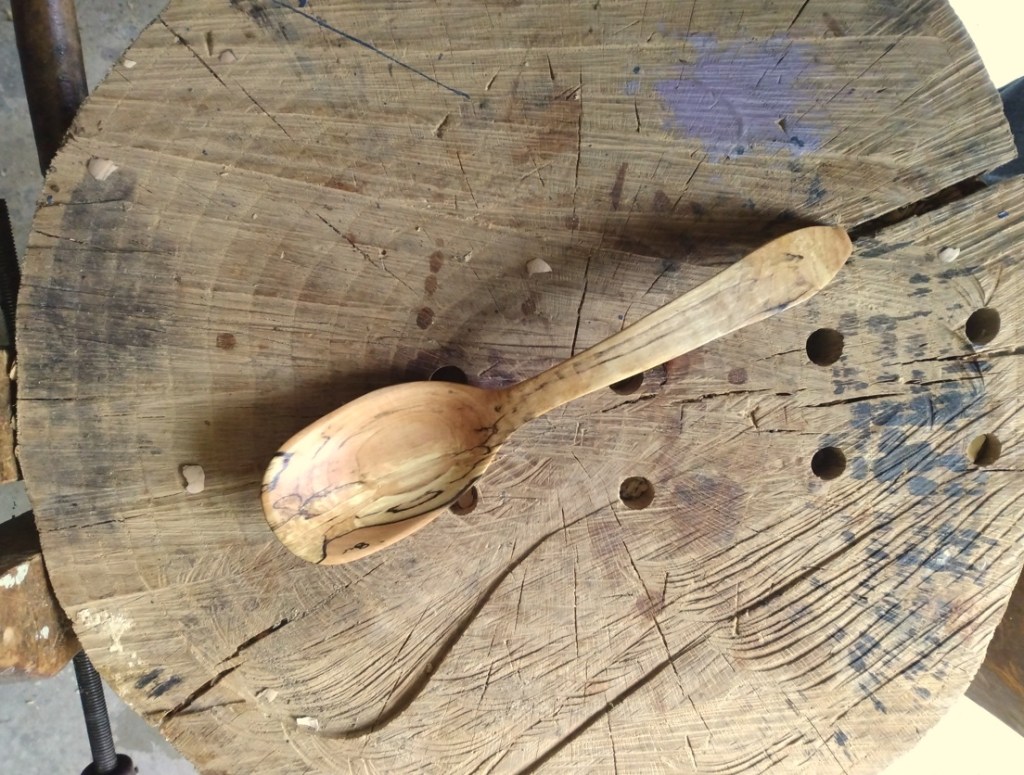
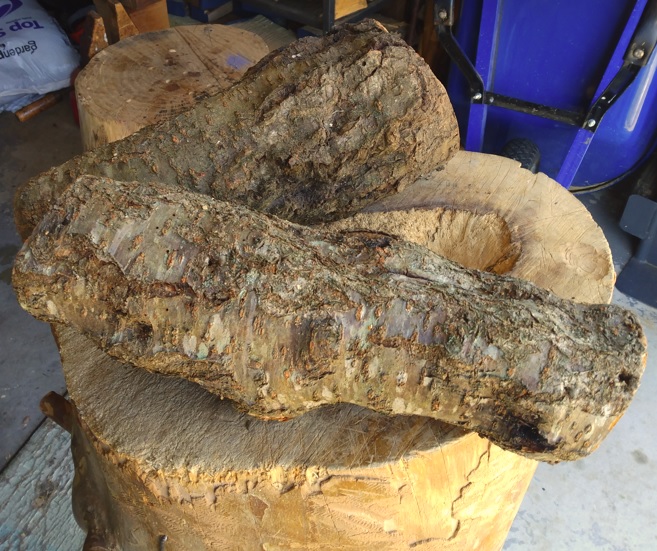
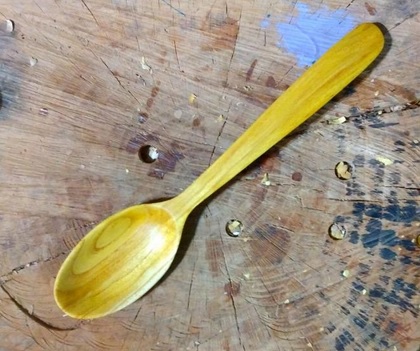
I’ve been thinking a lot lately about the notion of process and how it applies to carving; more specifically, how it applies to carving spoons. From tree, to log, to billet, to blank, to rough-cut, to wooden spoon, the act of carving is one of constant refinement; of stripping away the excess material and revealing that which it obscured.
And even then, the process still continues. Once the tools have been put away, the spoon is oiled and burnished. For those unfamiliar with the term, burnishing is the act of rubbing the spoon with a smooth object like a pebble, antler, or polished round of wood. This closes the pores and takes away any remaining rough spots. After that, the spoon is oiled again and set aside to cure.
It might be tempting at this point to call the whole thing done and dusted. But in a way, for the spoon, the real work is just beginning. And that work will continue to shape the spoon for rest of its life.
How many of us have held a wooden spoon that’s outlived the relative who passed it down only to notice the patina it’s acquired from decades of nearly constant use in soups, sauces, or chillis? The scratches, burn marks, dents, and flaws that only serve to add to its character and shape it into something mythic; each little mark telling the story of the one who put it there. It’s in this way, that something created to serve a specific purpose continues to find itself remade by the very act of doing so…



 Bonja the Bodger